SatiSaanti: The healing journey through dementia research
According to the World Health Organisation (WHO), dementia is a broad term encompassing a neurodegenerative disease characterised by irreversible and progressive symptoms, including memory loss, mood fluctuations, confusion, as well as difficulties with communication and reasoning. The act of caring for individuals with dementia leads to a profound positive impact on their sense of self and their connection to specific environments like their home, workplace, and neighbourhood. In this context, dementia care brings about a fresh perspective and understanding of place and identity by incorporating the emotional aspect of attachment to physical spaces as people age. Consequently, the process of design is not a fixed or unchanging endeavor; it must be geared towards making the world more accessible to those living with dementia.
These findings shed light on how the needs of individuals with dementia are interconnected with the roles of caregivers and how effective management by care providers can create a conducive environment. Moreover, Ainsworth’s research on attachment quality suggests that caregivers play a crucial role in shaping the nature of attachments, whether they are secure, insecure, or disordered. The research introduces novel concepts that have the potential to impact society on social, cultural, economic, and political levels. It underscores the idea of a society in flux, where personal boundaries are shifting, leading to a sense of disorientation and a lack of belonging, or an unfamiliar sense of “home.”
Through my PhD research, I have discovered a shared connection between dementia and my own experiences. Memories, which were once something I held dear, have the power to elicit both pain and cherished recollections, depending on the perspective of the individual. The critical element in the process of care is reaching a stage of understanding, and this necessitates the involvement of people. Furthermore, I have raised questions about the stages of transformation and the concept of an enabling environment. An enabling environment signifies that physical spaces should be accommodating, while also fostering a supportive psychosocial atmosphere. To truly make a difference, empathy is essential and should be embraced, reflected, and heard.
The concept of dementia are multifaceted, primarily grounded in the perceived ranking of social order. Consequently, drawing inspiration from Michel De Certeau (2011), the structures of functional interplay among tensions introduce a fresh cultural perspective. Nonetheless, the interpretation of culture relies on a comprehensive, impersonal, and objective delineation of space through an understanding of the mechanisms governing human perception and the factors that shape it. This understanding can encompass and revolve around shared features of space as perceived by all individuals.
We delve into the exploration of social structure, dementia, and my personal perspective through the lenses of self-definition and societal organization. In the context of dementia care, acknowledging and respecting the transformed identity of those affected leads to a more personalized understanding of the concept of identity. This suggests that individuals have specific self-images they wish to uphold. It is worth noting that one’s role is an external attribute linked to their position within the social framework. In contrast, identity relates to an individual’s internal perception of themselves, encompassing the internalized significance and expectations associated with a particular role. Consequently, individuals endeavor to align their current personal attributes with their ideal self-image, as discussed by Horst in 2007, by creating a degree of separation (perceiving them as clients), maintaining their status as members of society, and adhering to their customary roles.
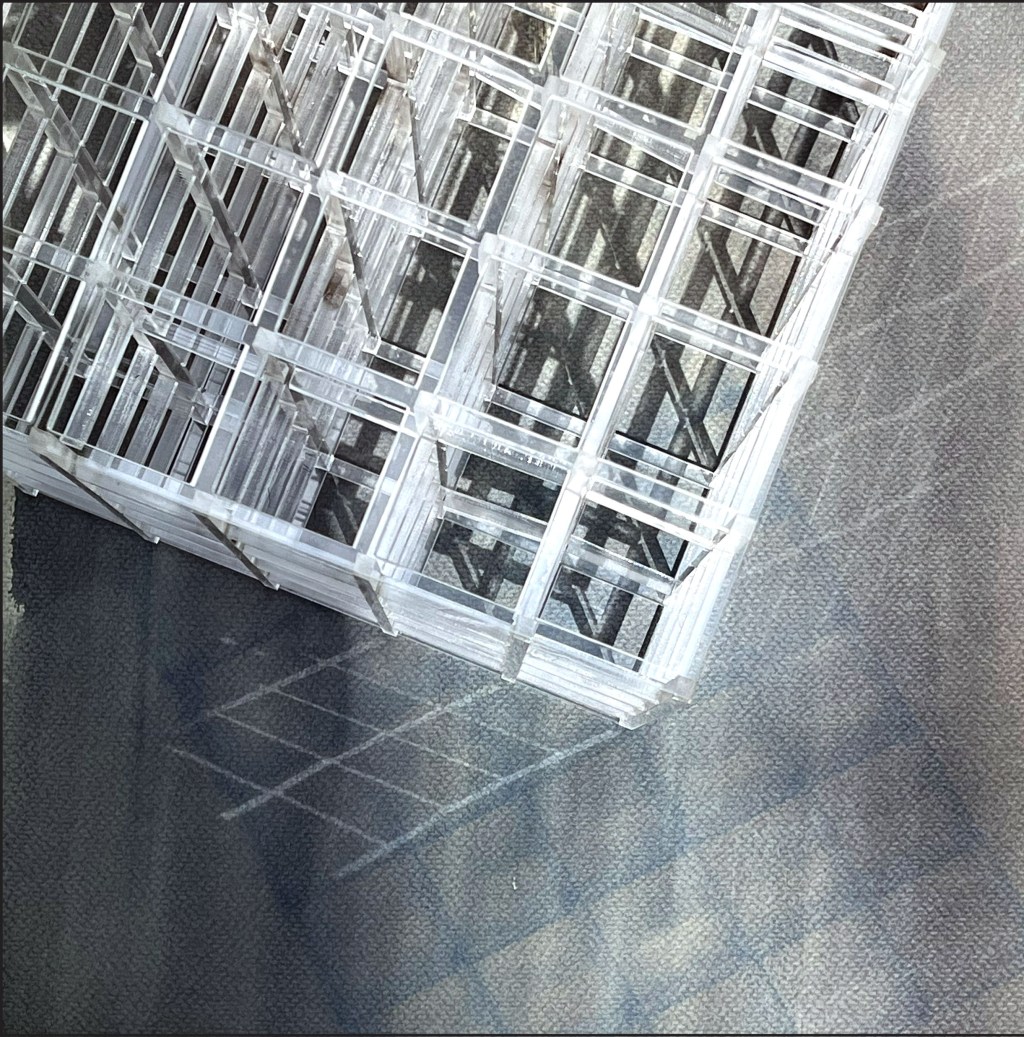
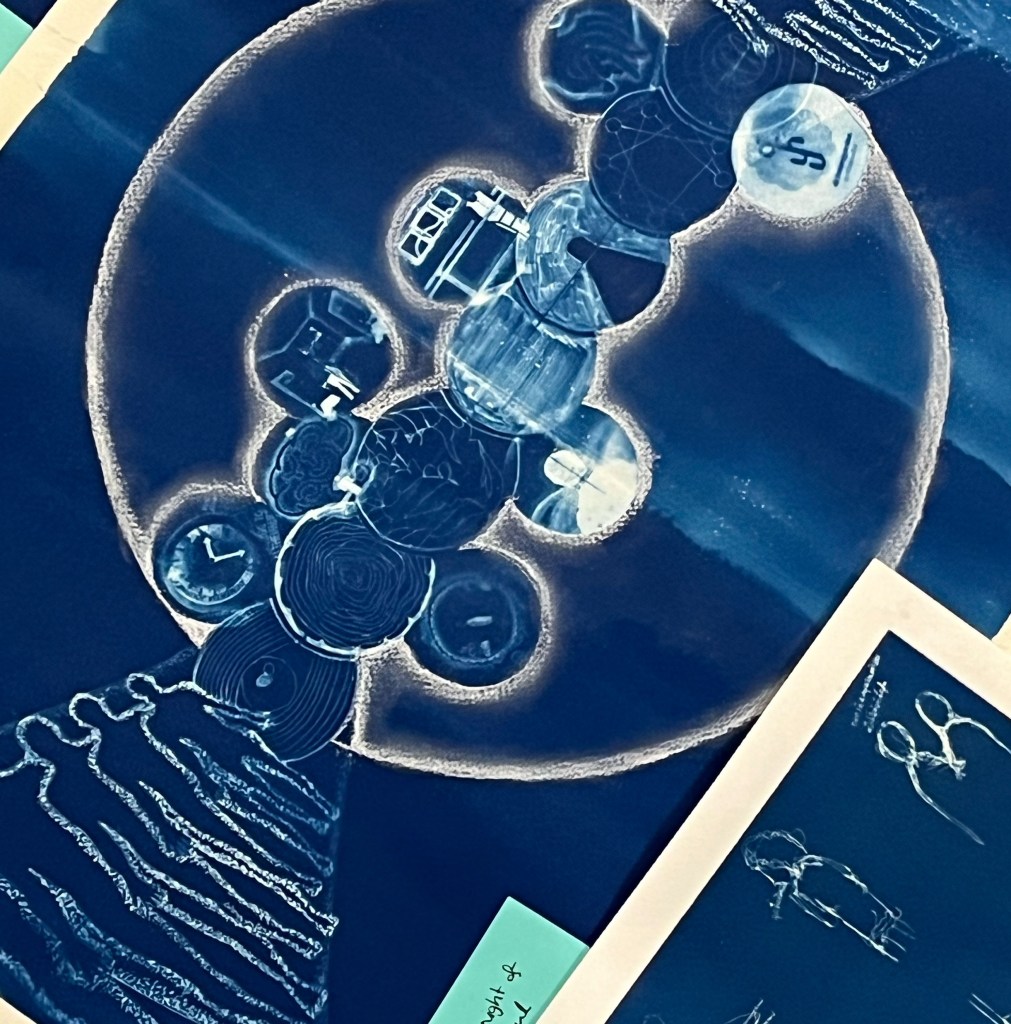
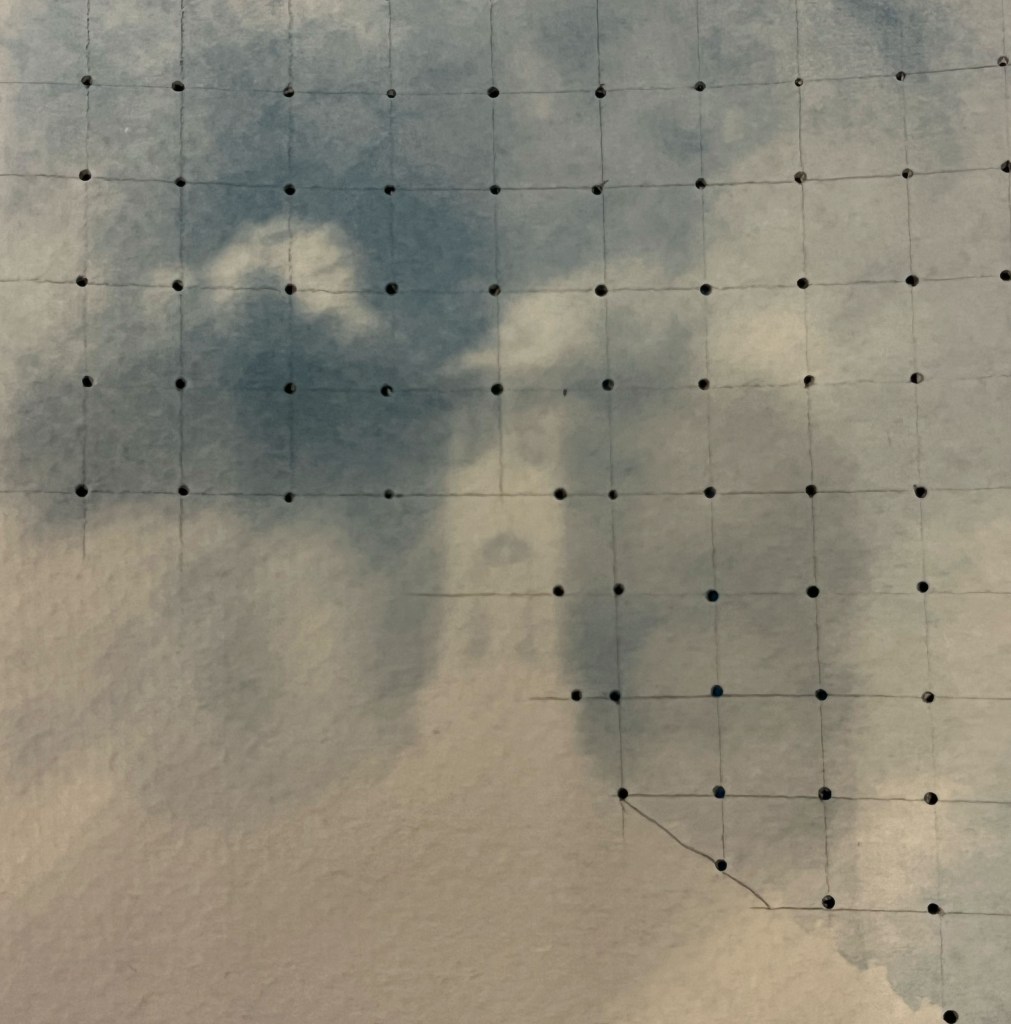
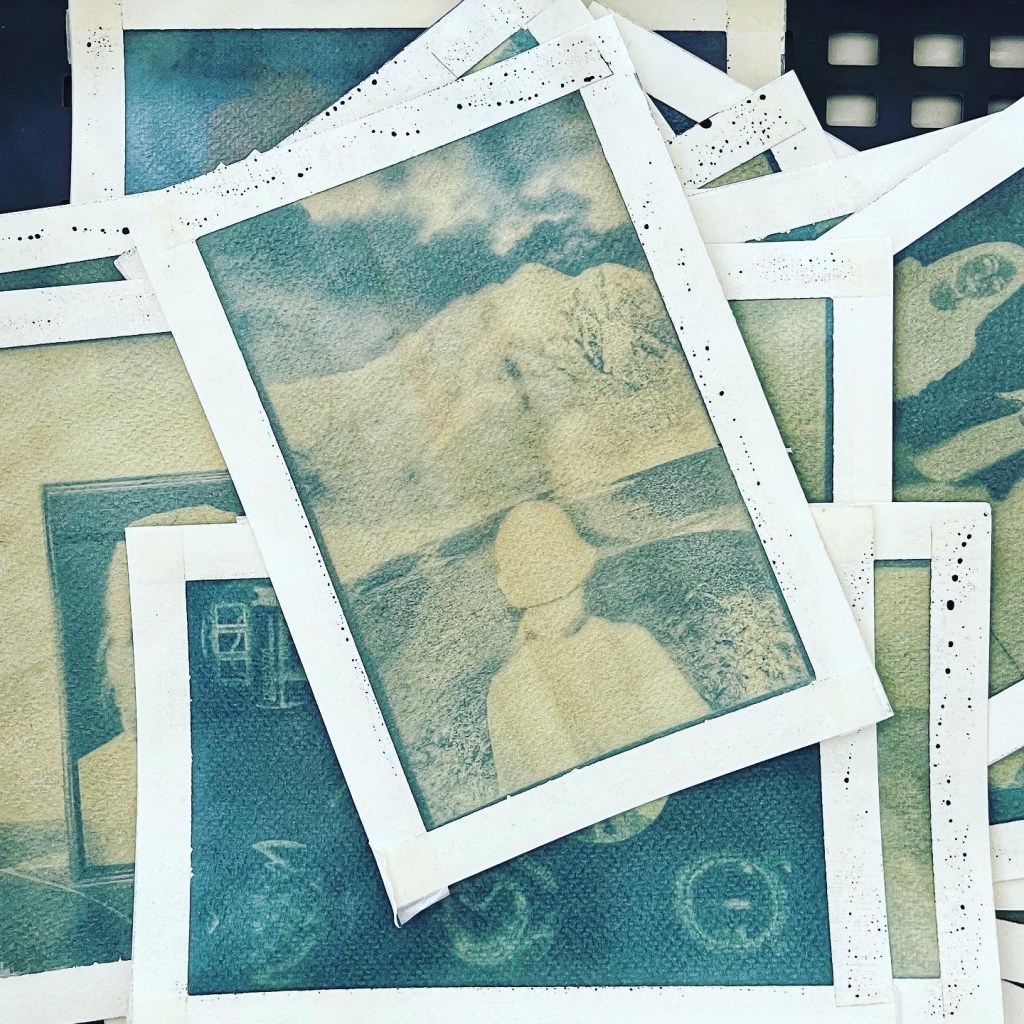
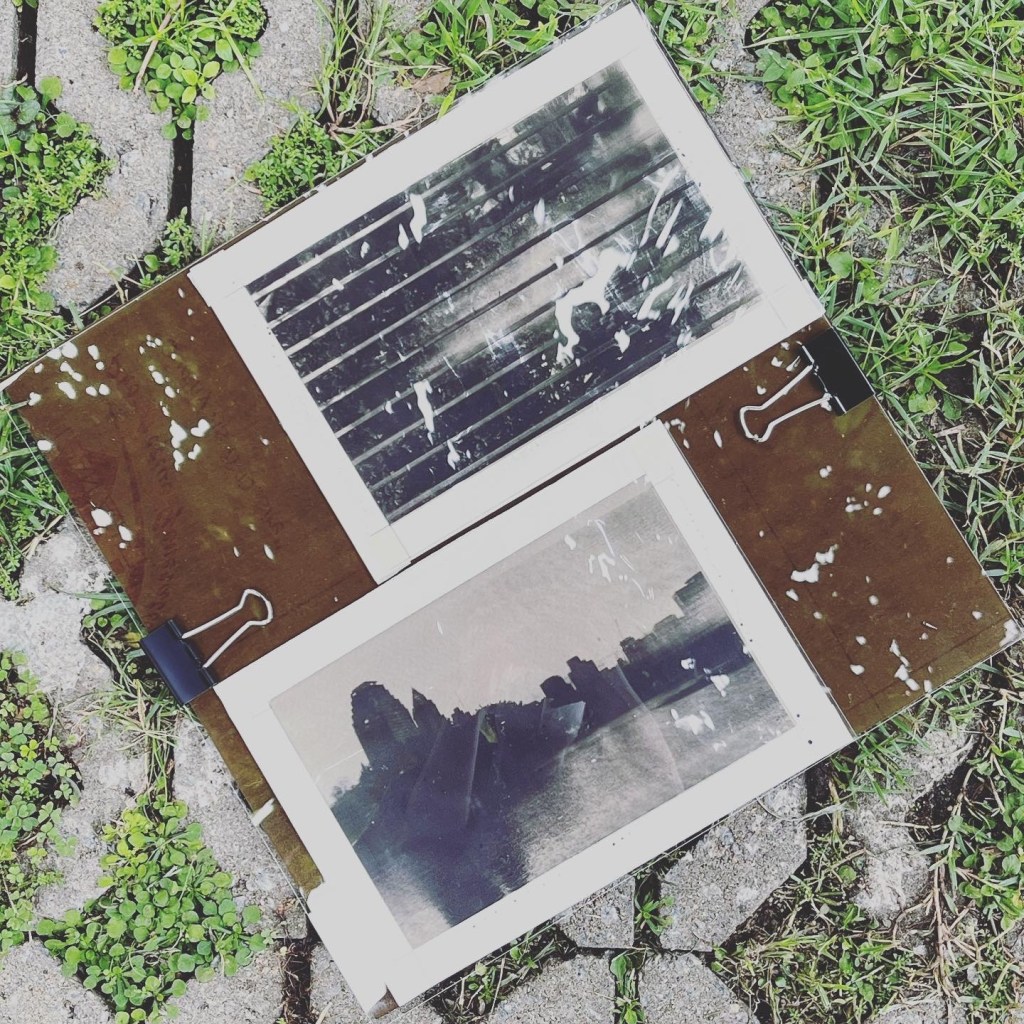
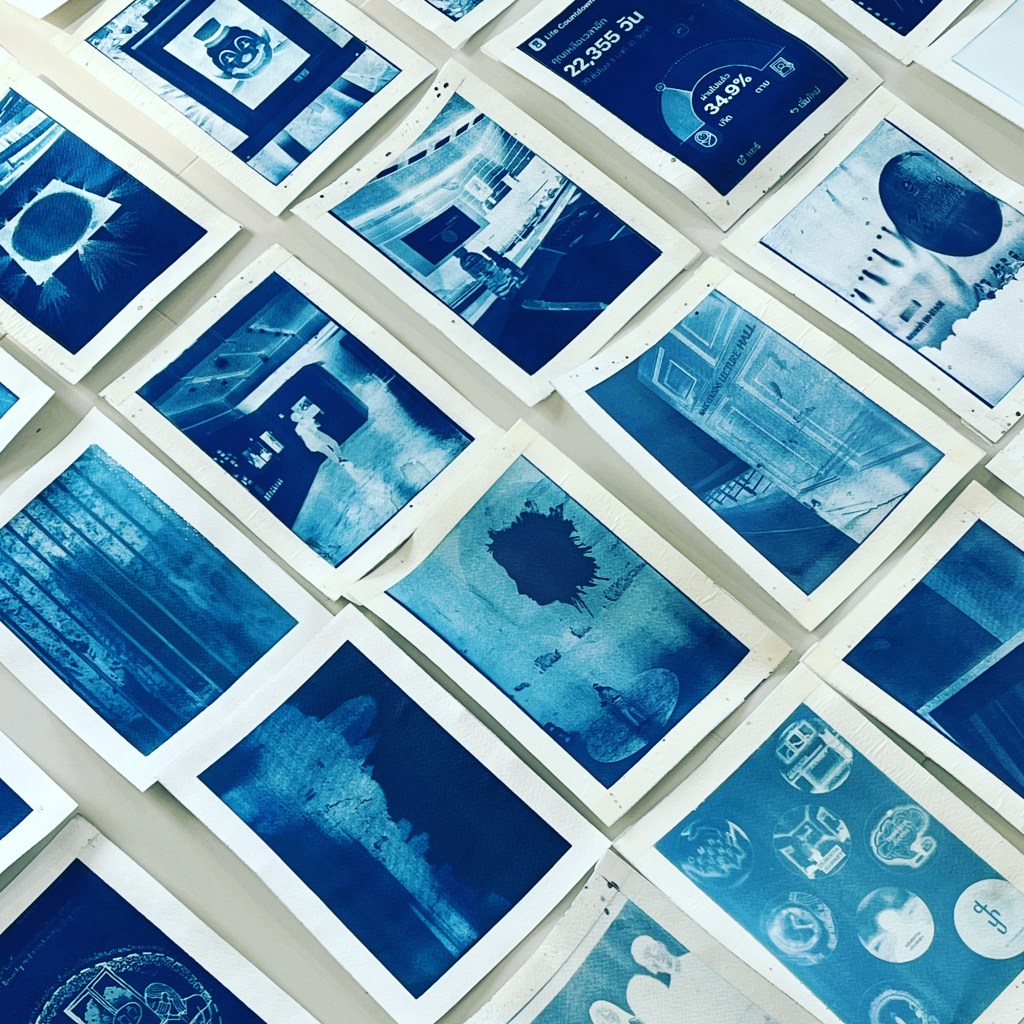
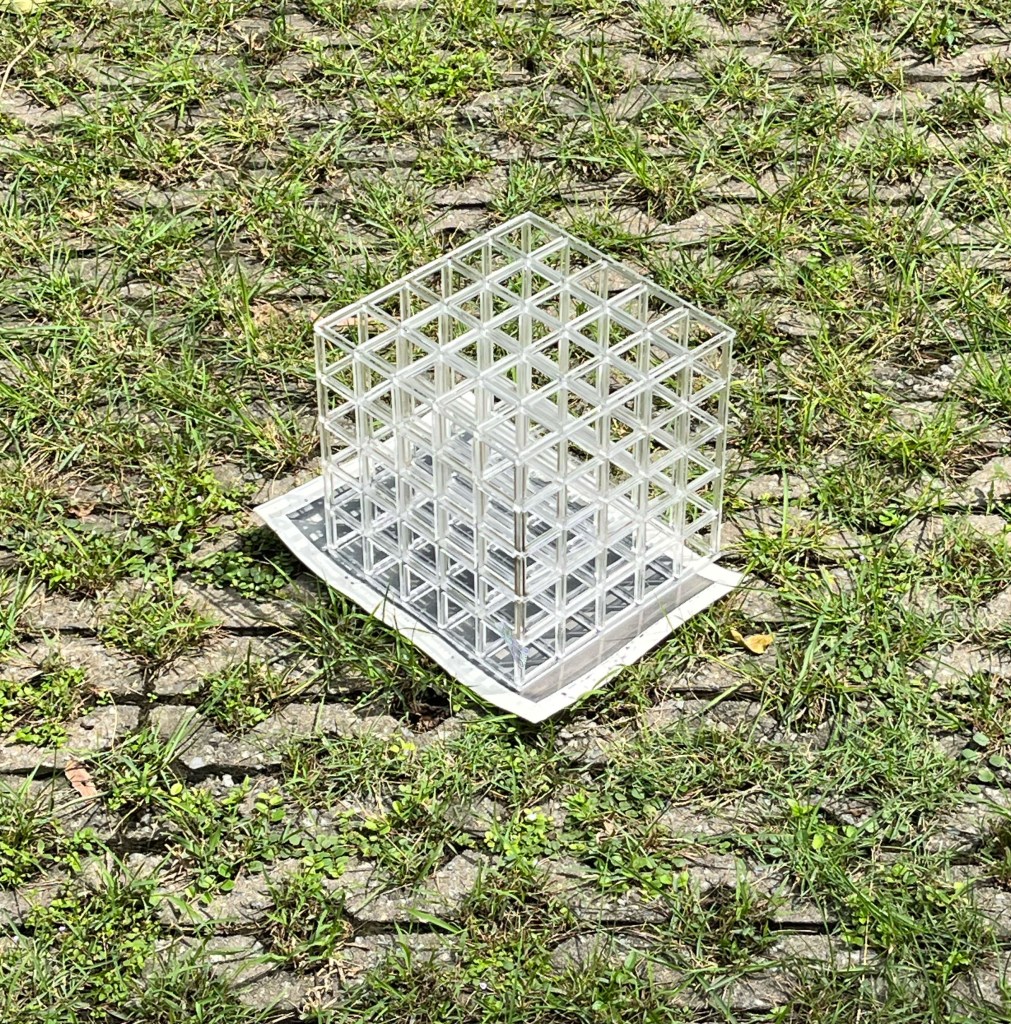
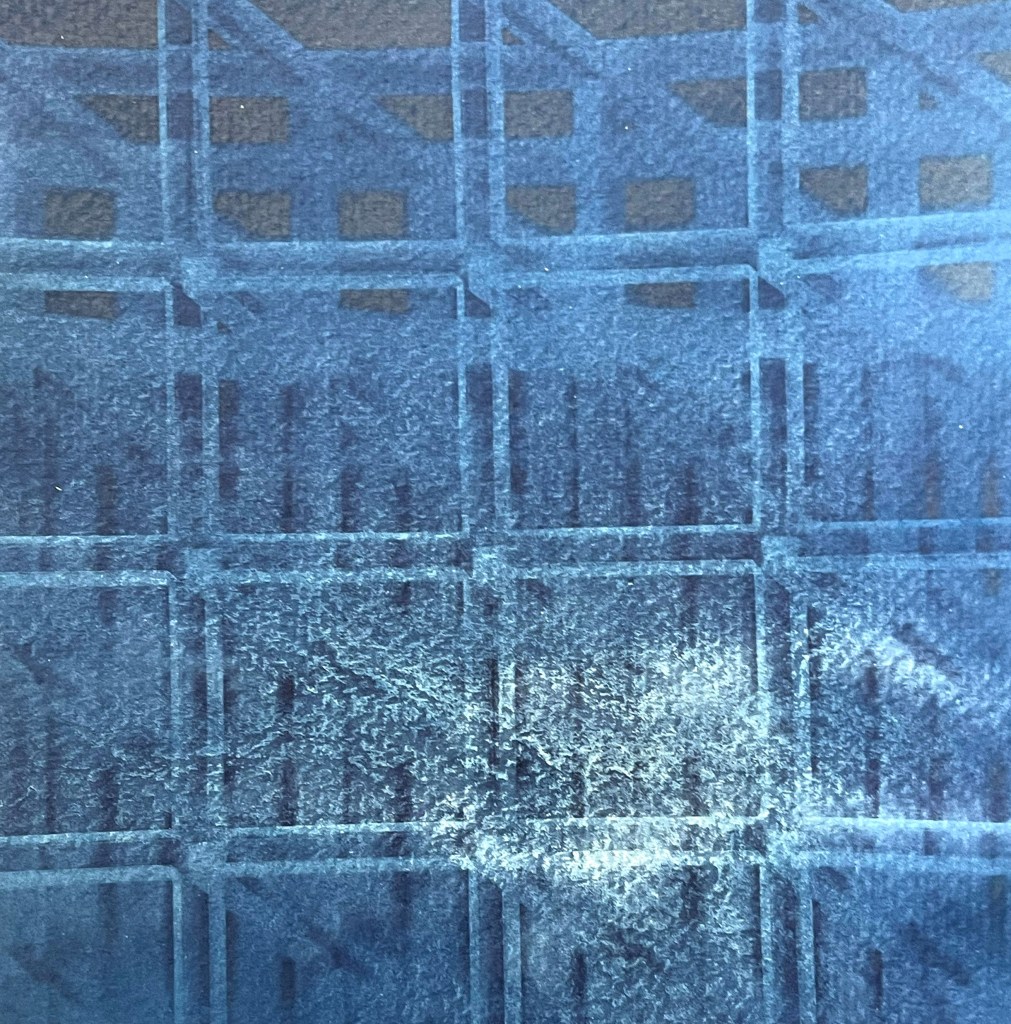
Cyanotype, also known as sunprinting, employs a chemical-based technique. This method, dating back 170 years, is a photographic printing process that yields distinctive prints with a dark greenish-blue hue. Cyanotype serves as a therapeutic process, addressing aspects such as context, time, and exposure to sunlight. It is characterized by its enjoyable and spontaneous nature, with an element of unpredictability and experimentation. In essence, a cyanotype functions much like a blueprint. Beyond using film negatives and positives, it allows for the use of plant materials and a variety of three-dimensional objects to create intriguing and artistic images and patterns on surfaces like paper, fabric, and other materials capable of absorbing the light-sensitive chemical solution.
The collection divides into 4 main parts – 1) Introduction and observation 2) photograph series 3) transformation 4) the move on of memories (detachment)
Process (Part 1) – Visual Journeys: Diagrams and Autoethnography
Process (Part 2) – Layers of Time: Overlaying Photographs and Recollections
Process (Part 3) – Metamorphosis: The Journey of Transformation
Process (Part 4) – Fragmented Realities: The Broken Path





 Dr.honeyyanisa (DEMENTIA/DISABILITY/DESIGN)