
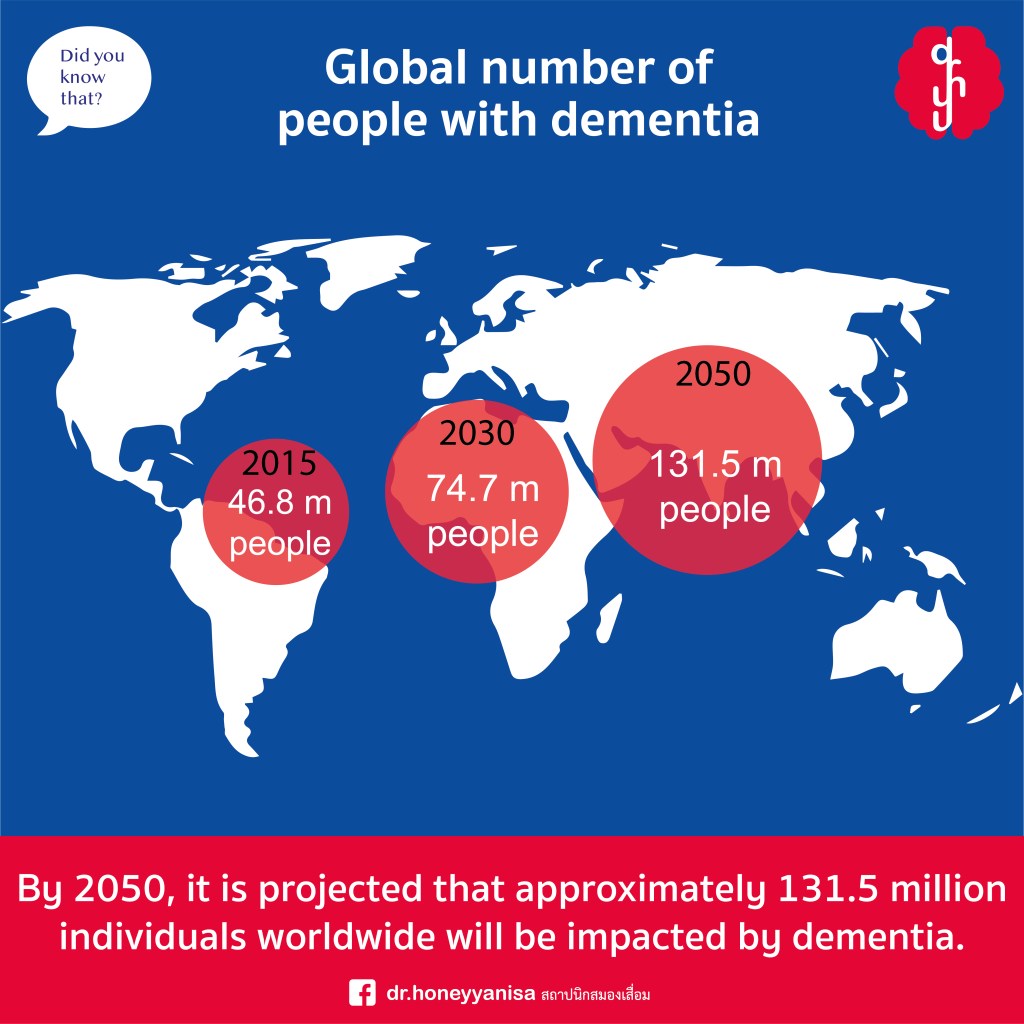
Did you know that by 2050, an estimated 131.5 million people worldwide will be affected by dementia? This staggering figure raises concerns about our own vulnerability to conditions like Alzheimer’s disease as we age. Furthermore, alarming news suggests that every 3 seconds, a new case of dementia will arise globally. It is projected that the total number of people living with dementia will rise from 46.8 million in 2015 to 131.5 million by 2050.
Age stands as the primary risk factor for dementia. As the older population grows, so does the likelihood of developing dementia. This demographic shift poses challenges in terms of healthcare provision, as the number of medical professionals may be insufficient to meet the demand. Inadequate training can also impact the development of high-quality care that addresses the needs, safety, and overall well-being of individuals with dementia and their caregivers.
Consequently, it is imperative for governments to implement policies that support individuals with dementia and their caregivers. Equally important, we all have a role to play in safeguarding our own health to minimize the risk associated with aging. By prioritizing our well-being and making informed lifestyle choices, we can reduce the likelihood of experiencing age-related cognitive decline.
The projected increase in dementia cases should serve as a call to action, prompting society to invest in research, support systems, and healthcare resources that address this growing concern. By collectively working towards a dementia-friendly future, we can improve the lives of those affected and foster a society that promotes well-being and inclusivity for all.
.
จำนวนผู้มีภาวะสมองเสื่อมในโลก
.
รู้หรือไม่ว่า? ในปี 2050 ประชากรโลกประมาณ 131.5 ล้านคน อาจจะมีภาวะสมองเสื่อม
หลายๆท่านอาจจะกังวลว่าพออายุมากขึ้น เราจะเสี่ยงเป็นโรคอัลไซเมอร์หรือไม่ และยิ่งมีข่าวเรื่องความเสี่ยงอีกว่า ทุกๆ 3 วินาที จะมีผู้มีภาวะสมองเสื่อมเกิดขึ้นในโลก และจำนวนประชากรที่มีภาวะสมองเสื่อมทั้งหมด คาดว่าจะเพิ่มขึ้นจาก 46.8 ล้านคนในปี 2015 เป็น 131.5 ล้านคนในปี 2050
สาเหตุหลักๆคือ อายุซึ่งเป็นปัจจัยเสี่ยงของภาวะสมองเสื่อม เมื่อจำนวนประชากรสูงอายุเพิ่มมากขึ้น ความเสี่ยงต่อภาวะสมองเสื่อมสูงก็เพิ่มขึ้นตามไปด้วย การเพิ่มขึ้นของจำนวนประชากรกลุ่มนี้ จะท้าทายบุคลากรทางการแพทย์ซึ่งมีจำนวน และการฝึกอบรมไม่เพียงพอ ทำให้เกิดผลกระทบต่อการพัฒนาคุณภาพของการดูแล (quality of care) ที่ตอบสนองความต้องการ ความปลอดภัย และคุณภาพชีวิตที่ดีของผู้ดูแล ผู้มีภาวะสมองเสื่อม และบุคลากรทางการแพทย์
ดังนั้นทางรัฐจึงควรมีนโยบายในการช่วยเหลือผู้มีภาวะสมองเสื่อมและผู้ดูแล และที่สำคัญพวกเราทุกคน ควรดูแลสุขภาพของตัวเราเองเพื่อลดความเสี่ยงเมื่ออายุของเราค่อยๆเพิ่มขึ้นค่ะ

 Dr.honeyyanisa (DEMENTIA/DISABILITY/DESIGN)